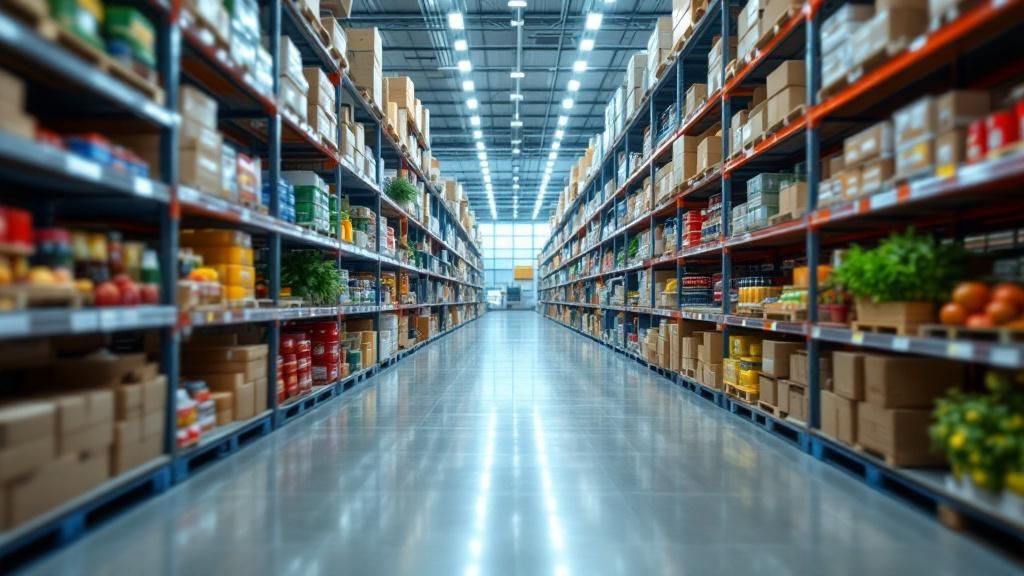

In an era where environmental responsibility and financial efficiency align, major retail chains across the UK and Europe are overhauling their operations through innovative green programmes. Rather than viewing eco-conscious practices as a financial drain, progressive business leaders are discovering that innovative green strategies—from sustainable power sources to waste management initiatives—substantially slash operating expenses whilst also improving brand reputation. This article investigates how prominent store chains are harnessing sustainable practices to realise substantial expense reductions, creating novel precedents and showing that profitability and ecological responsibility need not be mutually exclusive.
Efficient Energy Use and Renewable Integration
Retail chains operating in the United Kingdom have identified that energy consumption constitutes one of their most significant operating costs. By implementing wide-ranging energy-saving initiatives and shifting to sustainable energy options, major retailers are achieving significant financial savings whilst decreasing their carbon footprint. This planned change includes everything from upgrading facilities and systems to allocating resources for solar panels and wind energy partnerships, showing that sustainability and profitability are fundamentally connected in contemporary retail operations.
The adoption of clean energy sources into retail operations has grown significantly over the past few years, motivated by both environmental concerns and the falling prices of solar and wind power solutions. Major supermarket operators and department stores are now supplying considerable shares of their power supply from sustainable energy, either through on-site installations or long-term power purchase agreements with renewable energy providers. This shift not only reduces reliance on volatile fossil fuel markets but also offers businesses with improved cost predictability and consistency for budget forecasting.
Beyond renewable energy uptake, retailers are investing heavily in building fabric upgrades, encompassing upgraded insulation, high-efficiency windows, and modern HVAC systems. These structural improvements, whilst requiring initial capital investment, generate swift returns through decreased energy expenses and better customer satisfaction. Furthermore, many UK retailers are taking advantage of government support programmes designed to support environmentally responsible commerce, making these investments increasingly accessible to companies regardless of size.
LED Lighting and Intelligent Control Systems
LED technology has revolutionised retail lighting, offering reductions in energy consumption of up to eighty percent compared to traditional incandescent and fluorescent systems. Major retail chains have progressively upgraded outdated lighting infrastructure with LED systems throughout their stores, warehouses, and distribution centres. The increased durability of LED bulbs significantly reduces maintenance costs and labour requirements, whilst simultaneously improving lighting quality and developing more appealing shopping environments that boost customer contentment and revenue results.
Smart lighting control systems embody the next advancement in retail energy optimisation, employing sensors, timers, and artificial intelligence to improve illumination based on occupancy, natural daylight availability, and time of day. These intelligent systems continuously regulate lighting levels in instantaneous fashion, minimising unnecessary energy consumption whilst maintaining optimal visibility for both customers and staff. Integration with building management systems enables retailers to monitor energy usage patterns, pinpoint inefficiencies, and implement targeted improvements across their entire estate.
- LED bulbs consume 80% less energy than traditional lighting systems.
- Smart sensors self-regulate brightness based on occupancy levels.
- Daylight harvesting systems minimise electric lighting when daylight is available.
- Reduced maintenance costs resulting from extended LED bulb lifespan and durability.
- Enhanced customer experience through improved lighting quality and ambiance.
Streamlined Supply Chain Operations and Waste Reduction
Today’s retail organisations are fundamentally restructuring their supply chain operations to eradicate waste and inefficiency and reduce wastage at all levels. By adopting cutting-edge logistics technology and live stock tracking solutions, retailers can reliably project sales requirements, minimise excess inventory, and reduce redundant shipping. These technological investments not only streamline operations but substantially reduce fuel consumption and linked greenhouse gas output. Furthermore, optimised supply chains decrease food and product loss and damage throughout shipping, directly translating to improved bottom-line performance whilst also decreasing environmental impact.
Packaging constitutes a significant part of store waste, driving progressive retail businesses to transform their strategy for product protection and presentation. Many major retailers now use biodegradable, recyclable, and minimalist packaging solutions that significantly decrease material costs whilst appealing to sustainability-focused customers. By working alongside manufacturers to harmonise container specifications, retailers realise more efficient stock storage and shipping efficiency. These tactical changes generate significant financial benefits through decreased packaging spending, lower storage requirements, and decreased waste management fees, demonstrating that sustainability and cost reduction are fundamentally connected.
Waste minimisation schemes go further than packaging into extensive reuse and recycling efforts across retail settings. Retailers are establishing circular systems where customer returns, damaged merchandise, and overstock are refurbished, redistributed, or responsibly recycled rather than thrown away. These programmes create additional revenue streams through resale channels whilst decreasing landfill disposal. Employee training and involvement in waste reduction initiatives build a commitment to sustainability, improving staff morale and loyalty whilst concurrently decreasing business expenditure associated with waste disposal and management.
Circular Economy Initiatives
Circular economy concepts are revolutionising how retail businesses approach product life cycles and resource use. Rather than the traditional linear “take-make-dispose” model, forward-thinking retailers are adopting closed-loop approaches where items are engineered for durability, ease of repair, and recycling. Producer responsibility schemes prompt consumers to bring back used products for refurbishment or proper recycling, building environmentally responsible business practices. These schemes reduce demand for primary materials, reduce production expenses through material recovery, and foster brand loyalty through demonstrable environmental commitment and transparent sustainability reporting.
Leading retailers are implementing take-back schemes and reconditioning hubs that extend product lifecycles whilst capturing residual value. Customers returning used garments, gadgets, or home essentials receive benefits like rebate coupons or member benefits, promoting customer involvement and ongoing interaction. Refurbished products are reintroduced into inventory at lower price levels, capturing price-sensitive market segments and improving financial returns. This circular approach simultaneously reduces procurement expenses for new inventory, minimises waste management costs, and strengthens competitive positioning in an increasingly competitive retail landscape where sustainability credentials meaningfully impact consumer purchasing decisions.
Customer Engagement and Brand Value
Retailers implementing environmental initiatives have identified a significant driver for customer engagement and brand commitment. Consumers tend to favour doing business with sustainability-focused companies, making green efforts a major competitive edge. By clearly sharing their green efforts—whether through environmentally responsible packaging, low-carbon shipping methods, or responsible sourcing practices—retailers strengthen emotional connections with customers. This heightened engagement drives increased repeat purchases, strong personal recommendations, and improved brand image, ultimately boosting financial performance whilst concurrently decreasing environmental harm.
The connection between sustainability and brand value has grown undeniable in modern marketplace. Retailers embracing environmental responsibility engage socially conscious demographics and differentiate themselves from competitors. Enhanced brand reputation enables premium pricing prospects and repeat business, offsetting starting investments in sustainable infrastructure. Furthermore, accolades and press attention of sustainability achievements enhance brand visibility and credibility. These interconnected benefits demonstrate that environmental stewardship represents not simply a cost-reduction strategy, but a strategic business commitment that reinforces brand equity and ensures long-term commercial viability in an growing environmentally conscious consumer landscape.
